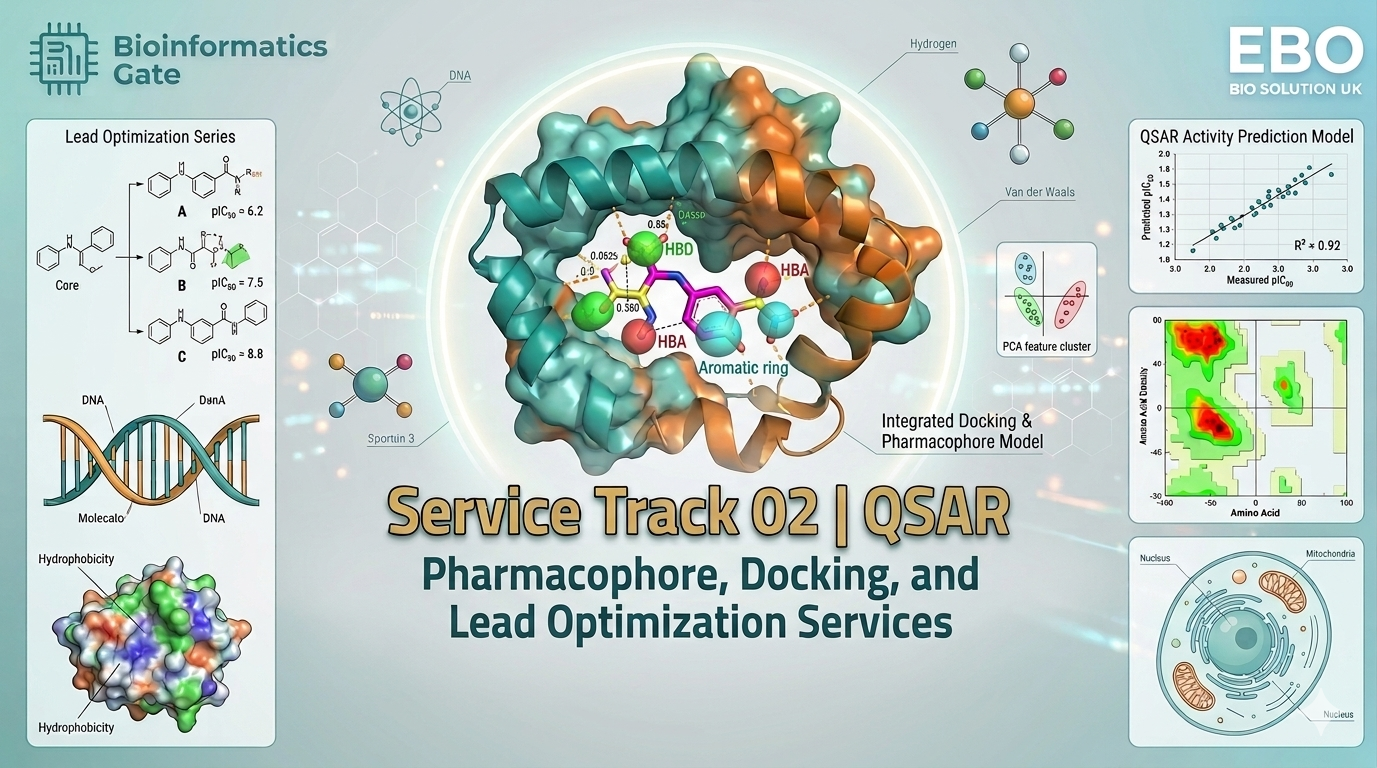
Service Track 02 QSAR, Pharmacophore, Docking, and Lead Optimization Services
About Bundle
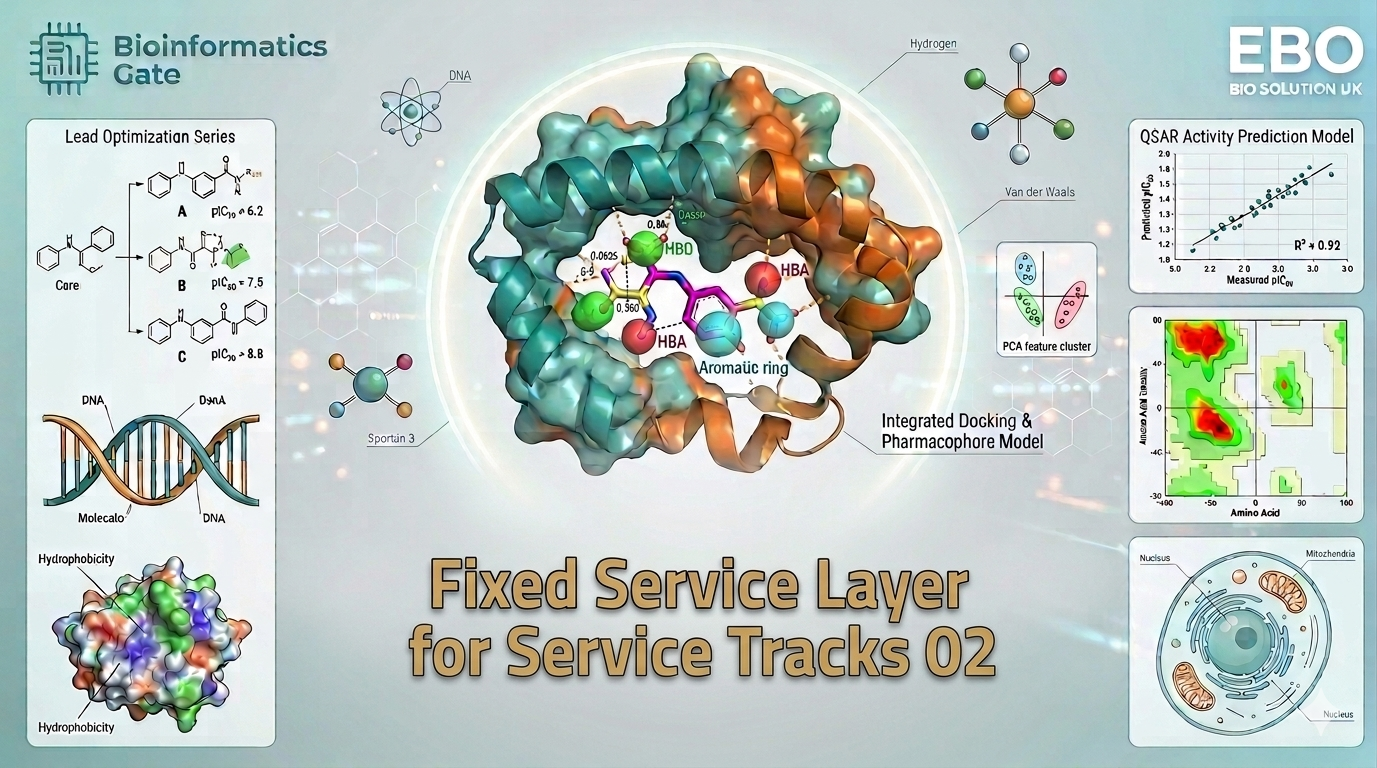
Service Track 02 is a structured, service-oriented training bundle designed for learners, researchers, and early-stage scientific professionals who want to build a strong practical foundation in QSAR, pharmacophore modeling, molecular docking, virtual screening, and lead optimization, then turn that knowledge into a clear, usable, and professionally relevant analysis service list.
This is not a full FAB Program, and it is not just a group of unrelated scientific courses. It is a focused Service Track designed to move the learner from scientific understanding into analysis-ready execution in one of the most valuable and commercially relevant layers of the Computer-Aided Drug Design (CADD) workflow. Instead of trying to cover every business, freelance, and client acquisition layer in full depth, this track concentrates on one important goal: helping the learner become capable of performing a clearly defined group of scientific analyses that can later be organized, presented, and delivered as professional services.
The bundle starts by building a strong foundation in Chemoinformatics and Computational Drug Discovery. The learner is introduced to the general logic of Computer-Aided Drug Design, including model-based thinking, structure–activity relationships, molecular docking, virtual screening, molecular dynamics awareness, and the broader workflow of modern drug discovery. This foundation is important because QSAR, pharmacophore modeling, docking, and lead optimization are not isolated skills. They are connected layers inside a broader scientific pipeline, and the learner needs to understand how these parts support one another.
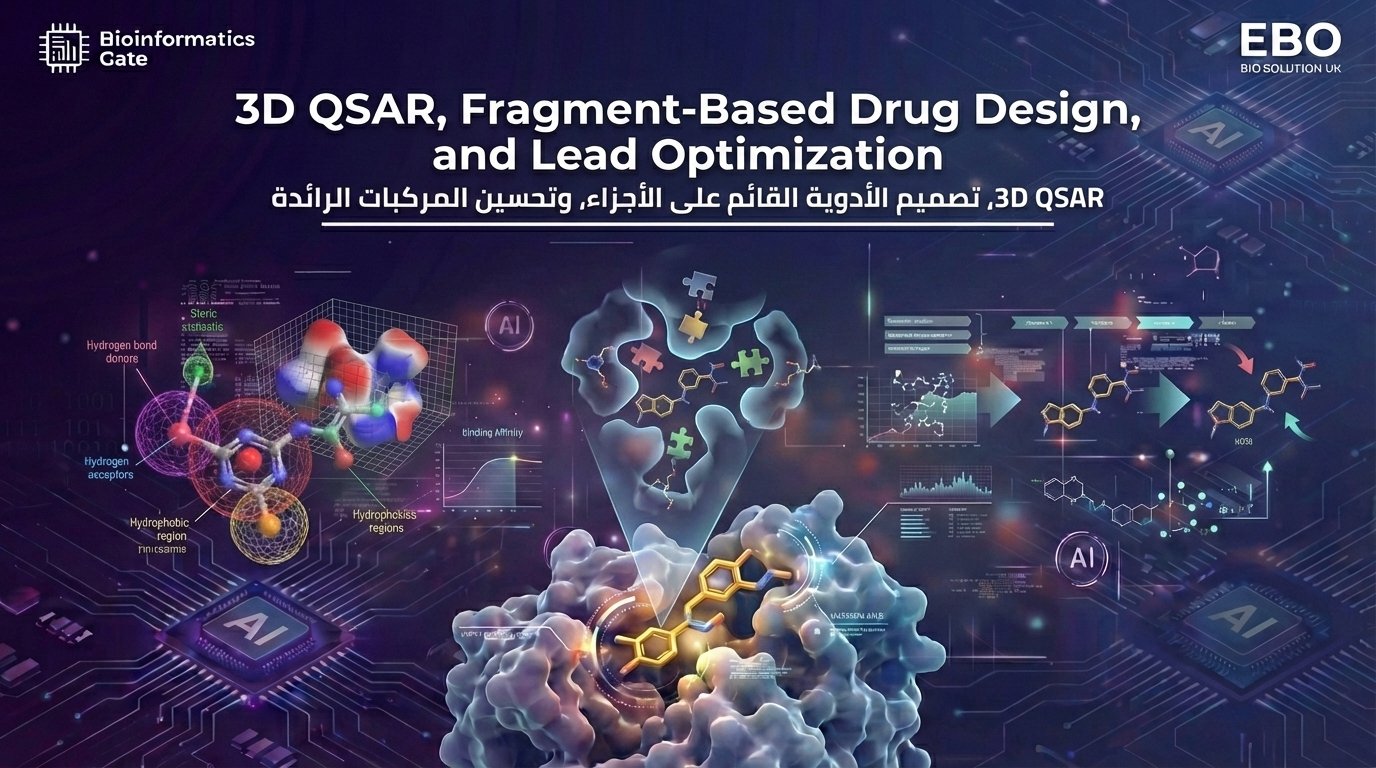
After that, the track moves into one of its core scientific pillars: 3D QSAR and the logic of predictive modeling. The learner studies how molecular structure can be related to biological activity through computational models, how biological endpoints are interpreted, how predictive models are built and validated, and how 3D molecular information can support more informed lead refinement decisions. This means the learner does not only understand molecules descriptively, but begins to understand them through a predictive and model-based lens.
The track then builds a second core layer through Fragment-Based Drug Design (FBDD). In this part, the learner studies how small fragments can be identified, interpreted, and used as meaningful starting points in drug design workflows. This includes understanding how fragment logic contributes to lead discovery and how fragments can be refined or expanded into more promising compounds. By connecting FBDD with QSAR logic, the learner develops a stronger understanding of how discovery and optimization workflows can be linked together computationally.
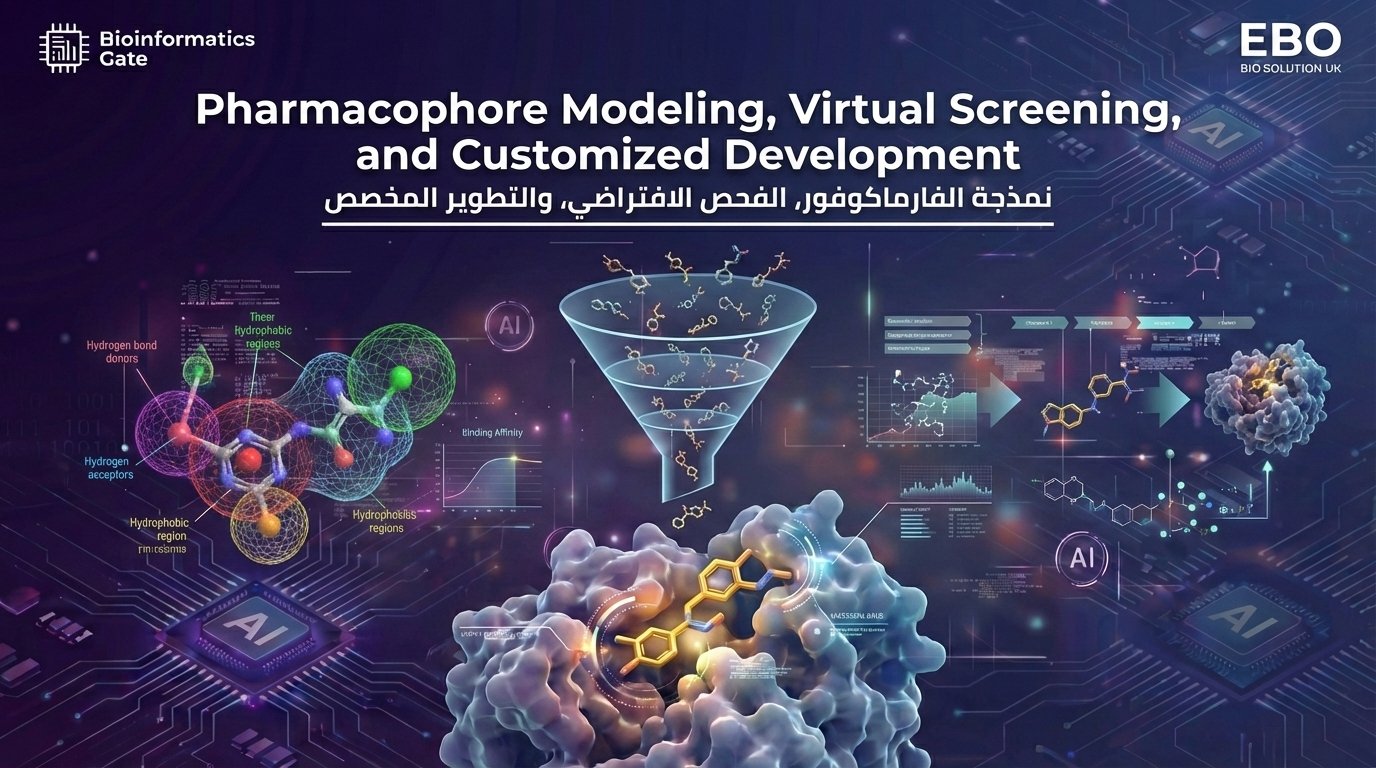
The next major stage focuses on pharmacophore modeling and virtual screening. The learner studies how important chemical features are identified, how custom pharmacophore models are developed, how multiple ligands can be aligned to detect shared interaction logic, how structure-based pharmacophore models can be generated, and how these models can be validated and applied to candidate screening workflows. This part is essential because it teaches the learner how to move from understanding molecular features to using those features in practical hit identification and prioritization workflows.
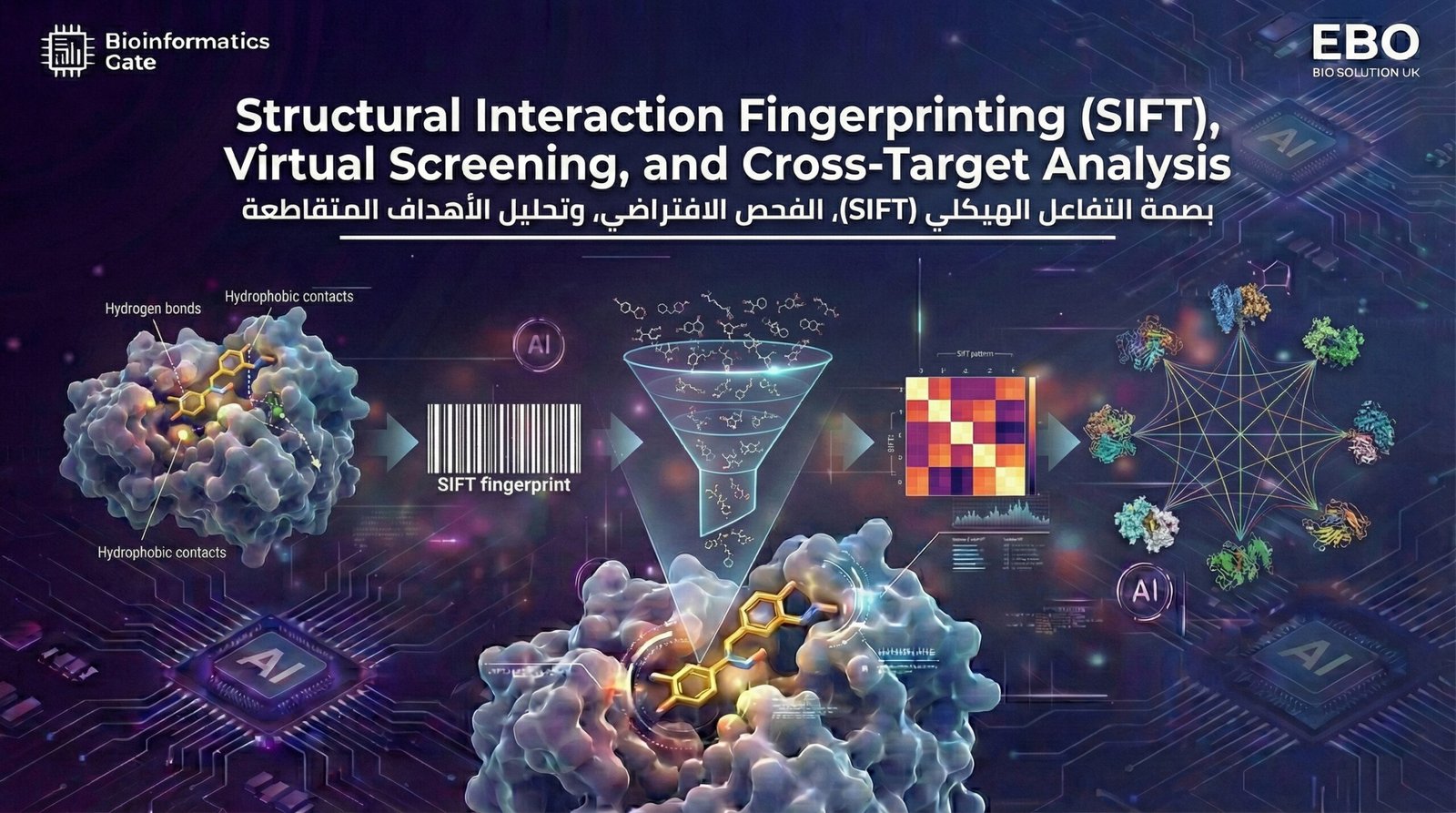
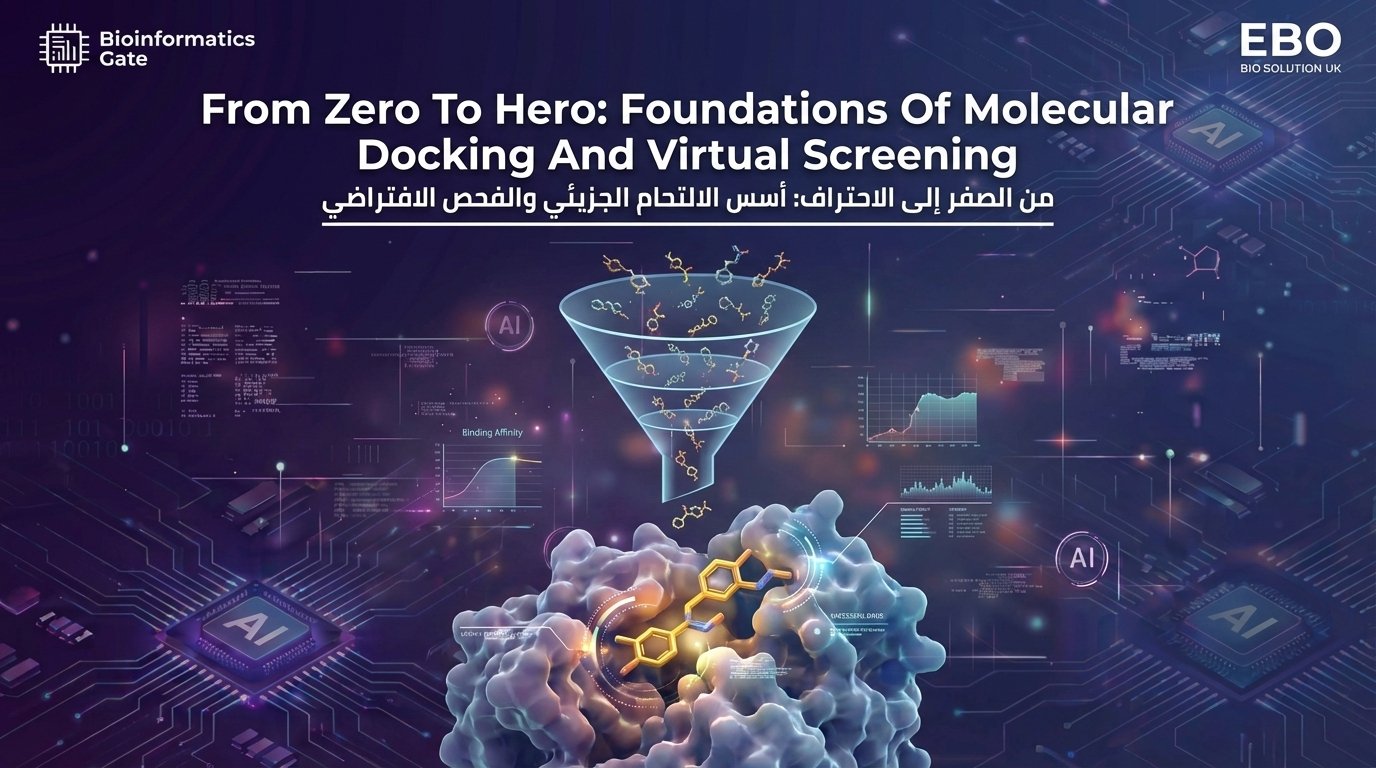
Once that layer is built, the track expands into molecular docking and virtual screening foundations. The learner studies the theory and workflow of docking, interaction logic, binding interpretation, docking result analysis, and candidate prioritization. It also includes docking applications across multiple systems such as protein–ligand docking, protein–protein docking, DNA/RNA docking, and nanomaterial docking when relevant. Through this layer, the learner begins to understand how pharmacophore thinking, docking workflows, and lead optimization logic work together in a more complete analysis environment.
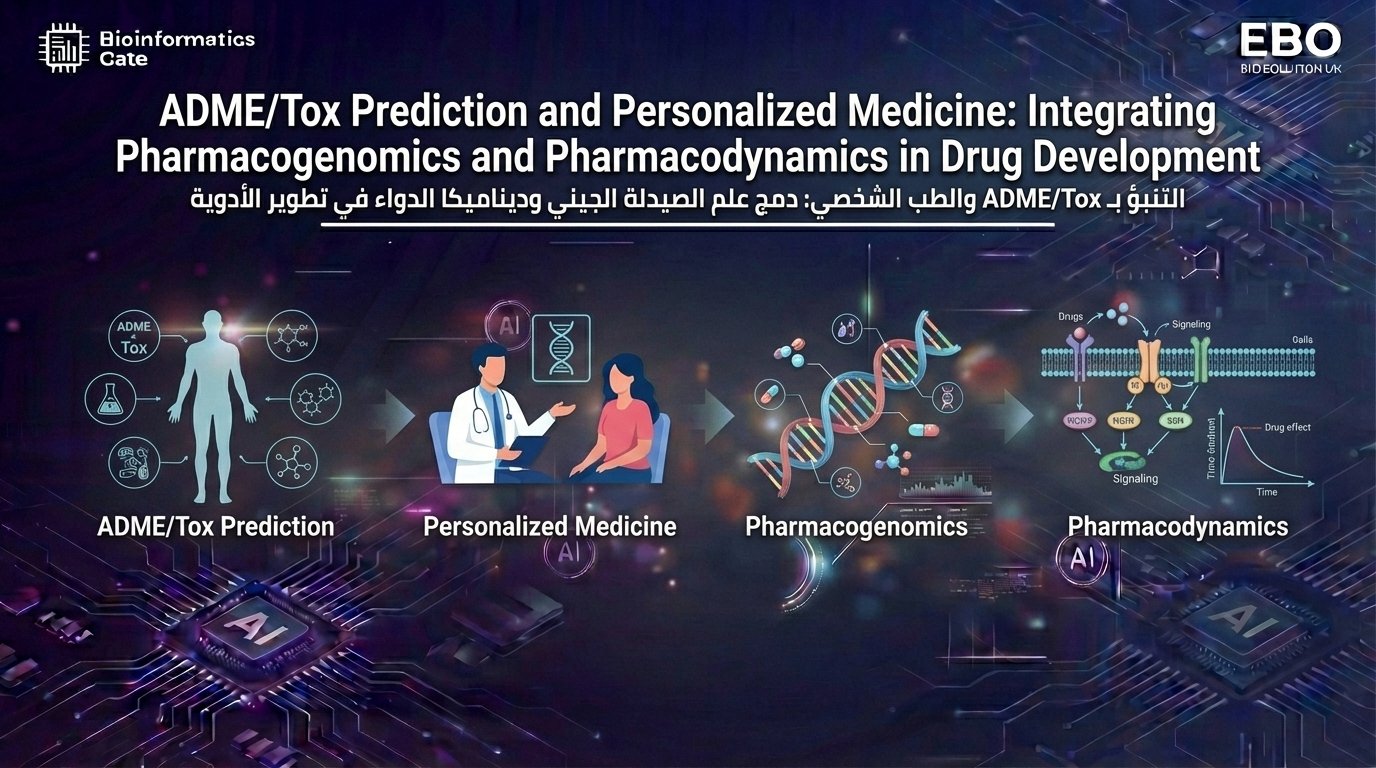
The track also includes an important profiling and optimization support layer through ADME/Tox logic and drug-likeness interpretation. This helps the learner understand that lead optimization is not only about improving activity, but also about improving suitability, safety-related considerations, and broader compound quality. In this way, the learner starts to see lead optimization as a multi-layer scientific process rather than a single docking or scoring step.
The final layer of the track focuses on scientific writing, presentation, and collaboration. This is important because the goal of the Service Track is not only to teach the learner how to run analyses, but also how to organize scientific output in a more professional and communicable way. By the end of the track, the learner has not only studied QSAR, pharmacophore workflows, docking, and optimization logic, but has also developed a stronger ability to prepare reports, communicate results, and shape technical output in a more structured and client- or research-ready form.
What makes this bundle especially valuable is that it is designed around a service mindset. The learner does not finish with scattered concepts only. They finish with a much clearer answer to questions such as:
What analyses can I actually perform?
What kind of scientific output can I deliver?
What can I offer to a researcher, project owner, or scientific client?
How can I begin building a profile around these specific skills?
That is why this Service Track also includes a Science Freelance project-oriented layer. This is not a full research project like the one found in larger flagship programs. Instead, it is a service-oriented practical layer designed to help the learner organize their work professionally, understand their deliverables more clearly, build a stronger analysis identity, and begin structuring their technical output within Science Freelance. This creates a bridge between learning and practical professional positioning.
In short, Service Track 02 is ideal for learners who want a focused, practical, and affordable pathway into QSAR, pharmacophore modeling, molecular docking, virtual screening, and lead optimization services, without needing to enter the full-scale FAB Program from the beginning.
What You Will Learn
By the end of this Service Track, you will be able to:
understand the scientific foundation of Chemoinformatics and Computational Drug Discovery
explain the logic of Computer-Aided Drug Design workflows related to hit discovery and lead optimization
understand the principles of 3D QSAR and its role in predictive modeling
differentiate between basic 2D and 3D modeling logic in drug discovery workflows
build and interpret 3D QSAR-oriented models at a foundational and practical level
understand model validation logic and the importance of biological endpoints
apply QSAR logic to support activity prediction and lead refinement
understand the scientific foundation of Fragment-Based Drug Design (FBDD)
identify small molecular fragments that can support lead development logic
connect fragment-based workflows with broader lead discovery and optimization strategies
understand the theory and workflow of pharmacophore modeling
identify key pharmacophoric features relevant to ligand–target interaction logic
develop customized pharmacophore models for specific targets or ligand sets
perform multi-ligand alignment workflows to detect shared pharmacophore features
understand structure-based pharmacophore generation logic
validate pharmacophore models and interpret their screening relevance
apply pharmacophore models in virtual screening workflows
understand the theory and workflow of molecular docking
perform docking-oriented workflows across different biological systems
analyze docking outputs, binding poses, and interaction logic more clearly
understand the role of virtual screening in candidate prioritization
understand the role of ADME/Tox and drug-likeness in lead optimization support
organize analysis results into clearer scientific reports and deliverables
prepare more presentation-ready scientific outputs
build a practical and professional analysis/service list in this specific CADD layer
begin organizing your technical work through Science Freelance
List of Analyses You Will Be Able to Perform
One of the most important outcomes of this Service Track is that the learner finishes with a clear understanding of the analyses and services they can perform professionally.
Core Analysis and Service List
-
3D QSAR Model Development
Build 3D QSAR models to relate three-dimensional molecular structure to biological activity in a more systematic and predictive way.
-
3D QSAR Model Validation
Evaluate and validate predictive QSAR models to assess their reliability, interpretability, and practical scientific usefulness.
-
Biological Endpoint Interpretation
Identify and interpret biological endpoints relevant to predictive modeling workflows and activity-based analysis.
-
QSAR-Based Activity Prediction
Use QSAR logic to support the prediction of biological activity for compounds, analogs, or refined molecular candidates.
-
Fragment Identification for Drug Design
Identify small molecular fragments that can serve as meaningful starting points in drug design and optimization workflows.
-
Fragment-Based Lead Development Support
Support lead discovery and development workflows using fragment-based logic and structured interpretation.
-
Fragment Optimization Logic
Evaluate and refine fragments based on activity-related logic, selectivity considerations, and suitability for further development.
-
Pharmacophore Feature Identification
Identify the essential chemical features required for ligand binding and target interaction.
-
Custom Pharmacophore Model Building
Develop customized pharmacophore models for particular targets, ligand sets, or research objectives.
-
Multi-Ligand Pharmacophore Alignment
Perform ligand alignment workflows to detect common pharmacophoric patterns among multiple compounds.
-
Structure-Based Pharmacophore Generation
Generate pharmacophore models based on target structure, binding mode, or structural interaction logic.
-
Pharmacophore Validation
Evaluate the quality and usefulness of pharmacophore models using validation workflows such as active/inactive or decoy-based logic when relevant.
-
Pharmacophore-Based Virtual Screening
Apply pharmacophore models in virtual screening workflows to identify and prioritize candidate compounds.
-
Candidate Prioritization
Rank and prioritize compounds or hits based on integrated modeling, screening, and docking-related evidence.
-
Molecular Docking – Protein–Ligand
Perform docking studies between ligands and protein targets and interpret binding-related results.
-
Molecular Docking – Protein–Protein
Apply docking workflows to protein–protein systems when relevant to the scientific question.
-
Molecular Docking – DNA / RNA Systems
Perform or interpret docking workflows involving DNA or RNA systems when required by the research design.
-
Nanomaterial Docking Foundations
Apply docking logic to nanomaterial–biological target systems in relevant scientific cases.
-
Docking Result Analysis and Optimization
Analyze docking poses, interaction patterns, binding-related outputs, and optimization-relevant interpretations.
-
Virtual Screening Foundations
Perform the core steps of virtual screening workflows to support candidate identification and prioritization.
-
Lead Optimization Strategy Support
Provide analytical support in improving lead compounds from the perspective of activity, selectivity, and broader suitability.
-
ADME/Tox Profiling Support
Conduct initial compound profiling related to ADME/Tox logic and drug-likeness assessment.
-
Drug-Likeness Evaluation
Analyze molecular properties and compound suitability using drug-likeness and related profiling logic.
-
Scientific Report Writing
Organize analytical work into clearer scientific reports and structured written deliverables.
-
Presentation-Ready Scientific Output
Prepare analysis results in a form suitable for presentation, academic communication, or professional delivery.
What This Analysis List Means
This analysis list means that the learner does not leave the track with general theory only. They leave with a much clearer professional map of what they can actually do.
This includes six major output layers:
1. Predictive Modeling Work
The ability to build, interpret, and validate 3D QSAR-oriented models and use them to support activity prediction and scientific reasoning.
2. Fragment and Lead Design Support
The ability to identify fragments, understand fragment-based logic, and support lead development workflows more systematically.
3. Pharmacophore and Screening Workflows
The ability to generate, validate, and apply pharmacophore models in candidate screening and prioritization workflows.
4. Docking-Oriented Services
The ability to perform and interpret multiple forms of molecular docking and connect docking to broader virtual screening logic.
5. Optimization and Profiling Layer
The ability to support lead optimization decisions through analytical interpretation, including basic ADME/Tox and drug-likeness considerations.
6. Scientific Output and Communication
The ability to write clearer reports, organize structured deliverables, and prepare professional scientific outputs for presentation or submission.
In other words, the learner does not finish this Service Track with scattered understanding only. They finish with a clearer service menu inside this part of the CADD and lead discovery / optimization workflow.
Target Audience
This Service Track is ideal for:
students in pharmacy, biotechnology, medicinal chemistry, bioinformatics, chemistry, biology, and related scientific fields
recent graduates who want a practical entry point into QSAR, pharmacophore, and docking workflows
researchers who want to strengthen their computational lead discovery and optimization foundation
learners who want a smaller and more affordable alternative to a full FAB Program
early-stage scientific freelancers who want a clearer and more focused list of professional analyses
anyone who wants to begin with predictive modeling, pharmacophore-based screening, docking, and lead optimization support in a more structured way
Requirements
This Service Track does not require advanced expertise before joining, but it is best suited for participants who have:
a real interest in computational drug discovery, QSAR, pharmacophore modeling, molecular docking, or lead optimization
willingness to follow a structured learning pathway
readiness to study consistently and apply what they learn
openness to building practical and professional scientific output
interest in organizing their work inside Science Freelance
A basic background in one or more of the following is helpful:
biology
chemistry
pharmacy
biotechnology
bioinformatics
computational science
Science Freelance Project Layer
This Service Track includes a Science Freelance project-oriented layer.
This is not a full research project. Instead, it is a structured practical layer that helps the learner begin turning technical learning into a more visible and organized professional output.
Through this layer, the learner begins to:
organize their analysis identity
understand how their work can be presented as a service
structure their outputs more professionally
connect learning with practical visibility
start building a stronger profile inside Science Freelance
Optional Add-On A – Client Reach Support Package
This Service Track may also offer Add-On A, an optional monthly support package for participants who want help reaching fresh client opportunities.
Price: 2,300 EGP per month
This add-on may include:
campaign content preparation
ad launch and campaign management
scheduled campaign cycles
fresh contact lists / new leads generated from active campaigns
equal distribution among subscribed participants inside the same Service Track
This add-on is optional and is not included in the core Service Track price. It supports audience and client reach, but does not guarantee final purchase or final client conversion.