Computational Drug Design & Analysis Services Program
About Bundle
Computational Drug Design & Analysis Services Program
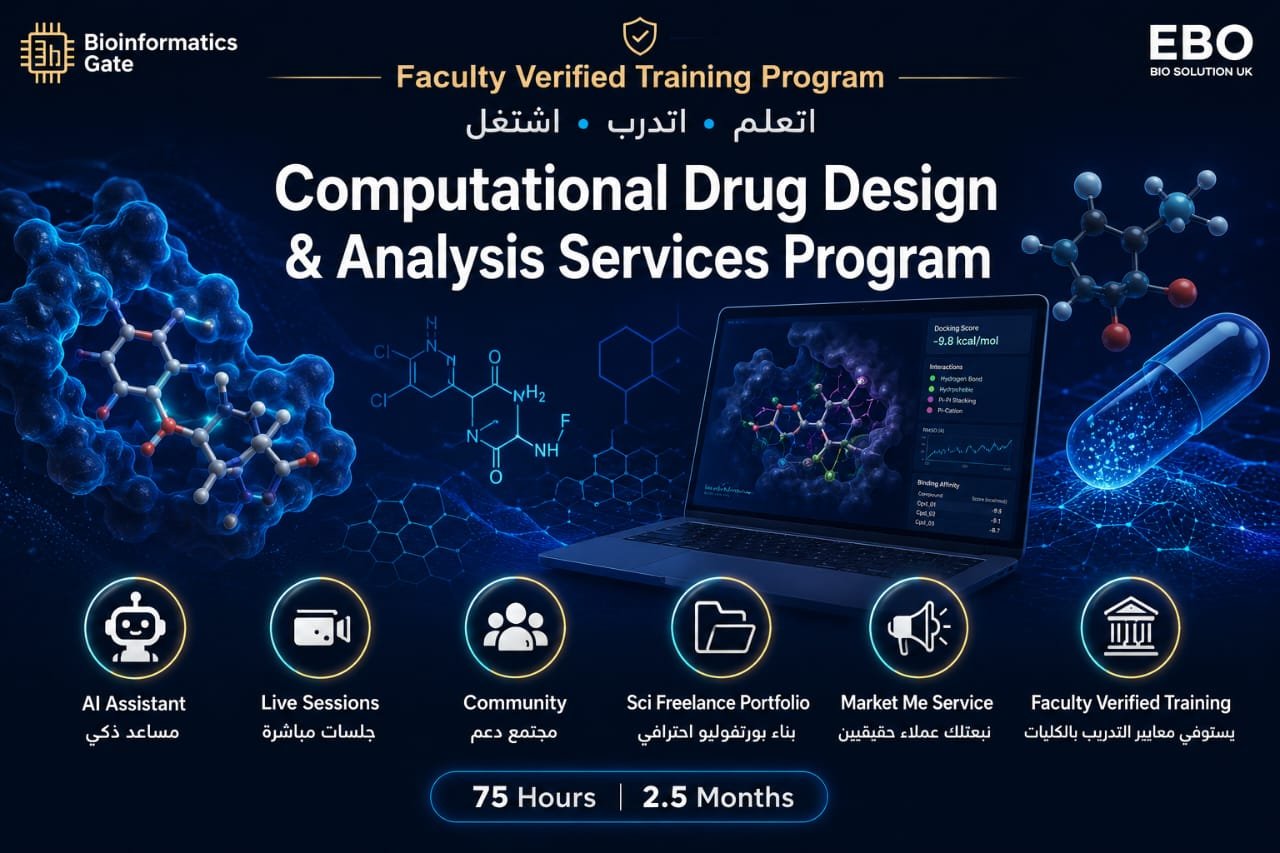
The Computational Drug Design & Analysis Services Program is a comprehensive verified faculty training program designed to help students and early-career researchers move beyond traditional summer training experiences and develop real scientific, analytical, and professional skills that can directly support both academic and career growth.
Unlike conventional summer training programs that focus only on obtaining a university certificate, this program is structured to provide participants with practical computational drug discovery experience, real analytical exposure, freelancing opportunities, and portfolio-building outcomes that prepare them for both graduation requirements and future scientific careers.
The program is designed to satisfy university summer training requirements while simultaneously helping participants build technical skills that can be applied professionally after graduation. Instead of asking “What should I do after university?”, students graduate from this program with applicable scientific skills, documented analytical experience, and a professional scientific portfolio.
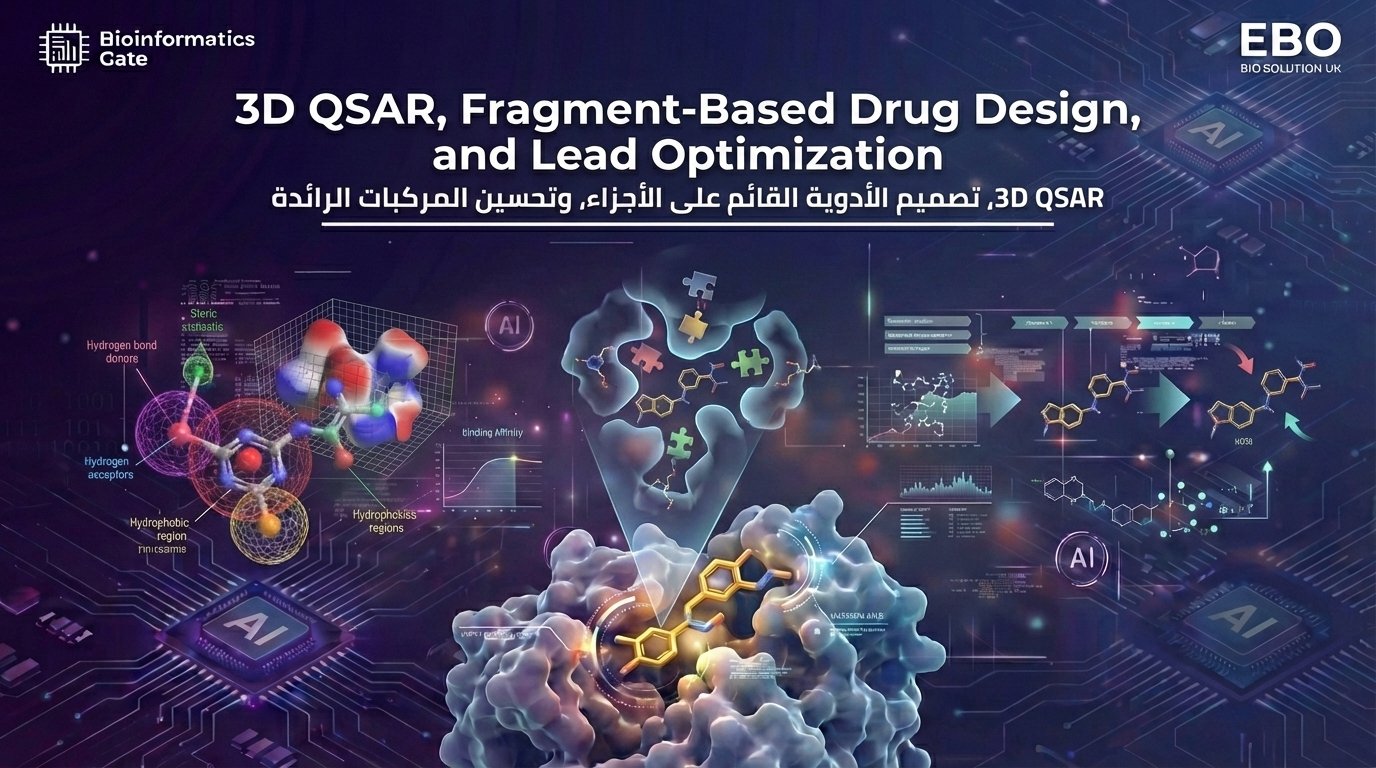
Throughout the training, students receive practical and workflow-oriented exposure to modern Computer-Aided Drug Design (CADD) methodologies and integrated drug discovery systems used in bioinformatics, pharmaceutical research, biotechnology, and computational sciences.
The program includes practical training in:
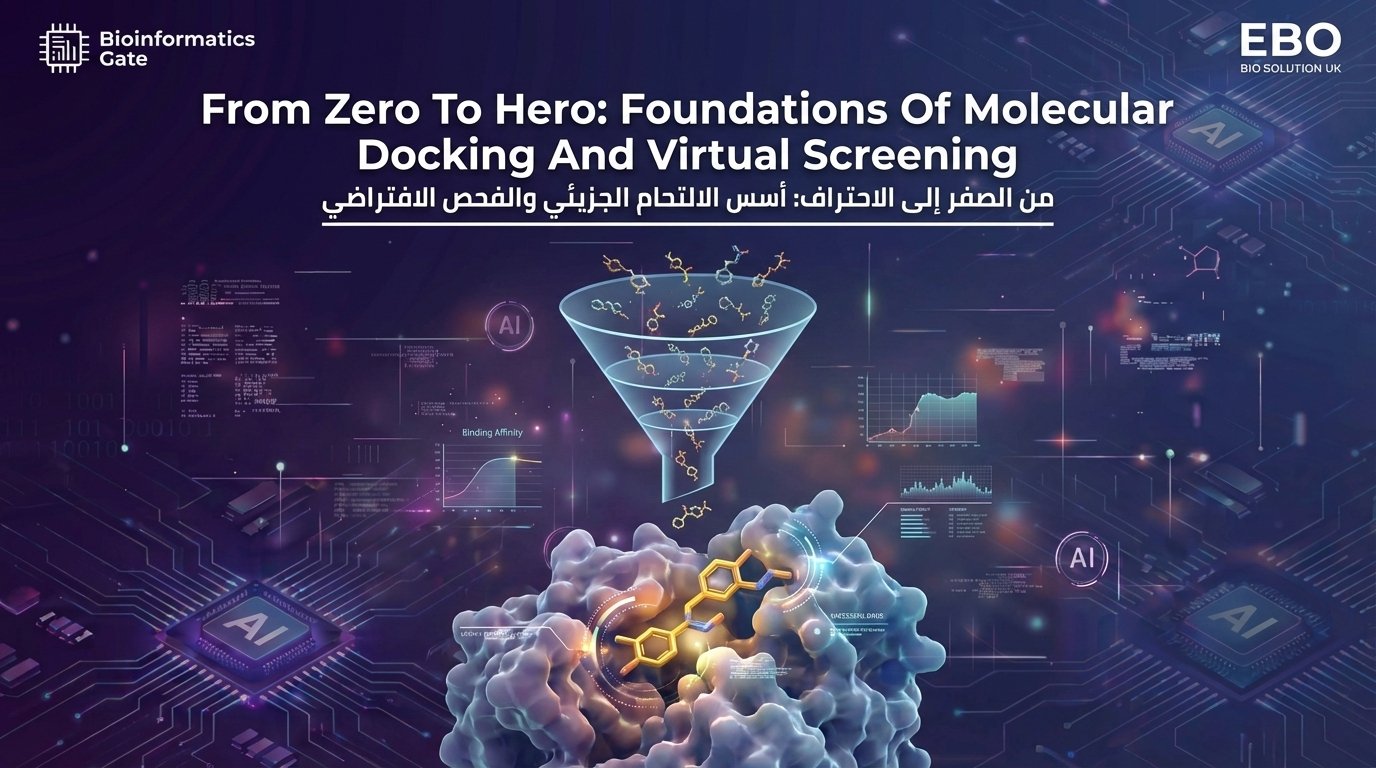
• Molecular Docking
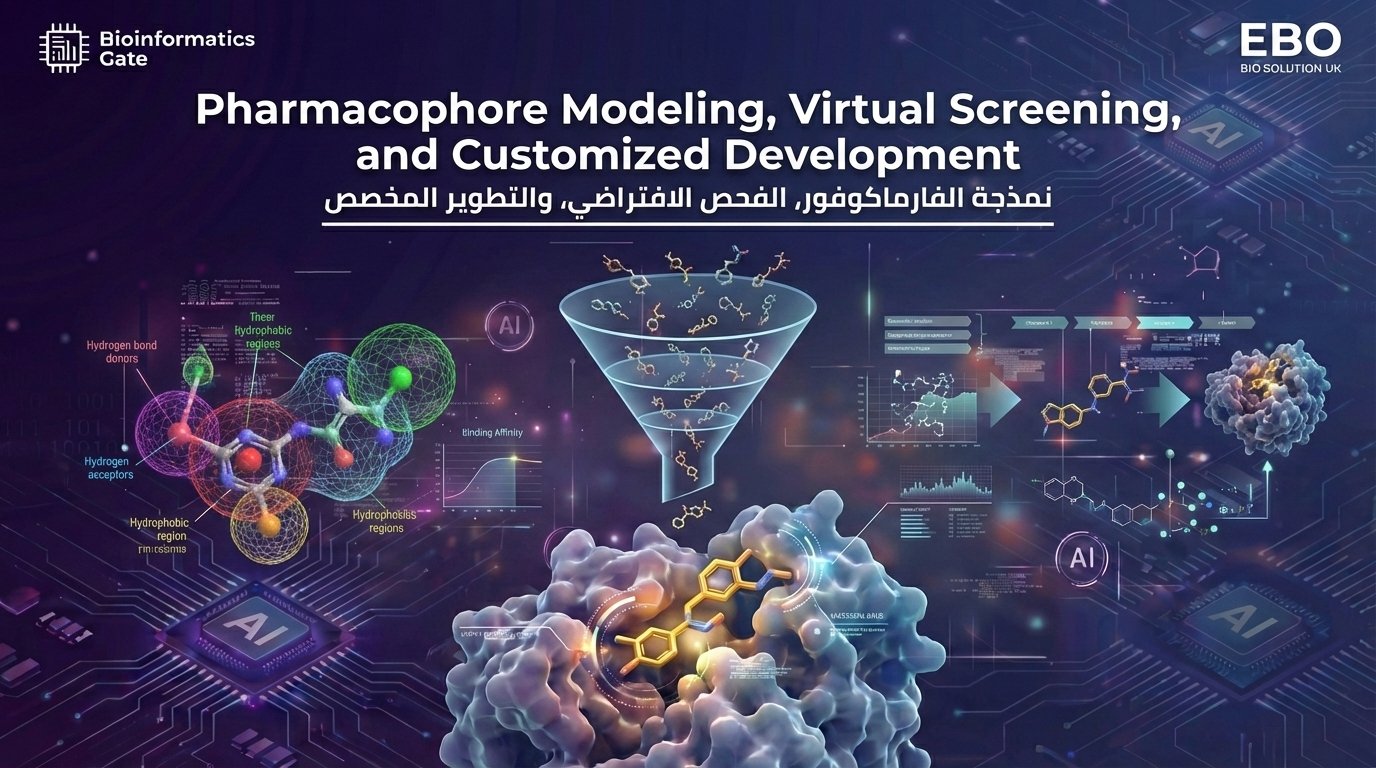
• Virtual Screening
• Pharmacophore Modeling
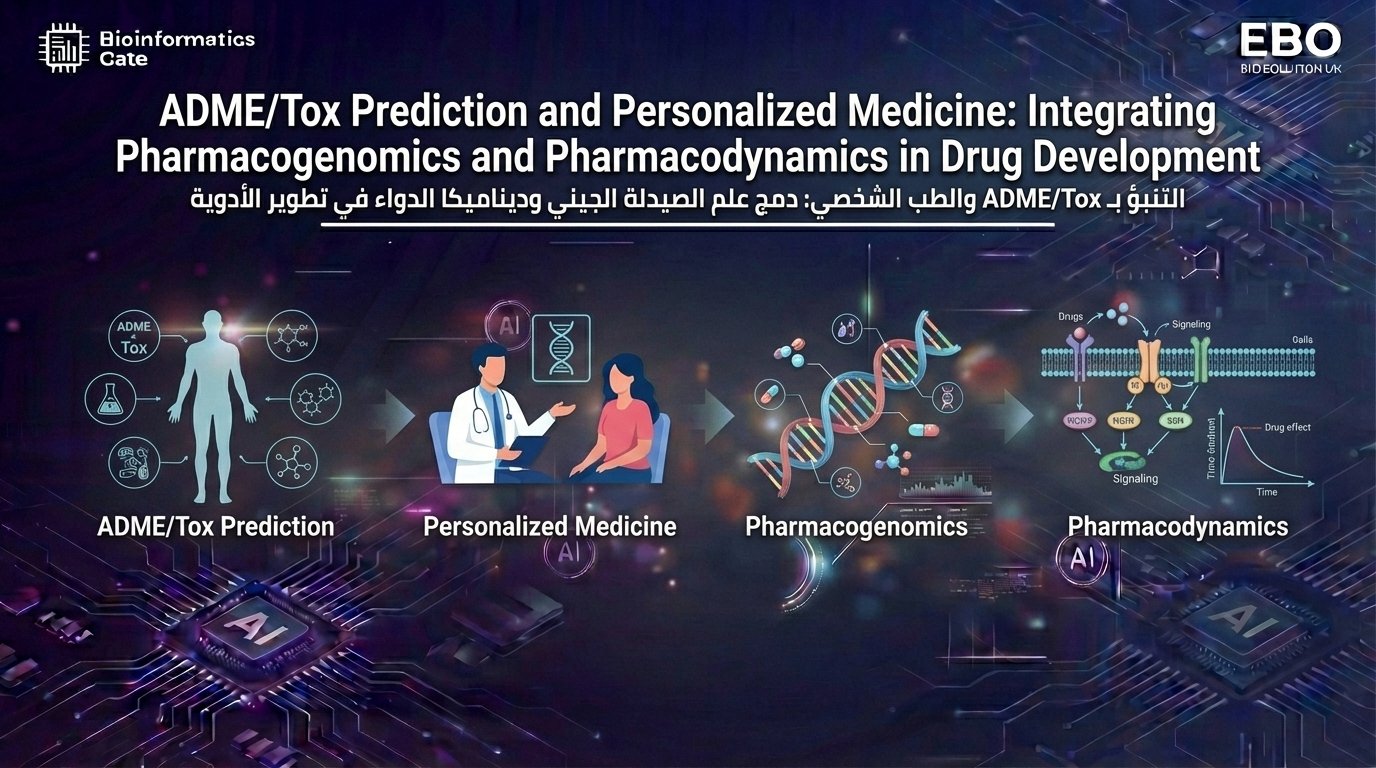
• ADME/Toxicity Prediction
• Drug Discovery Workflow Analysis
• Protein-Ligand Interaction Analysis
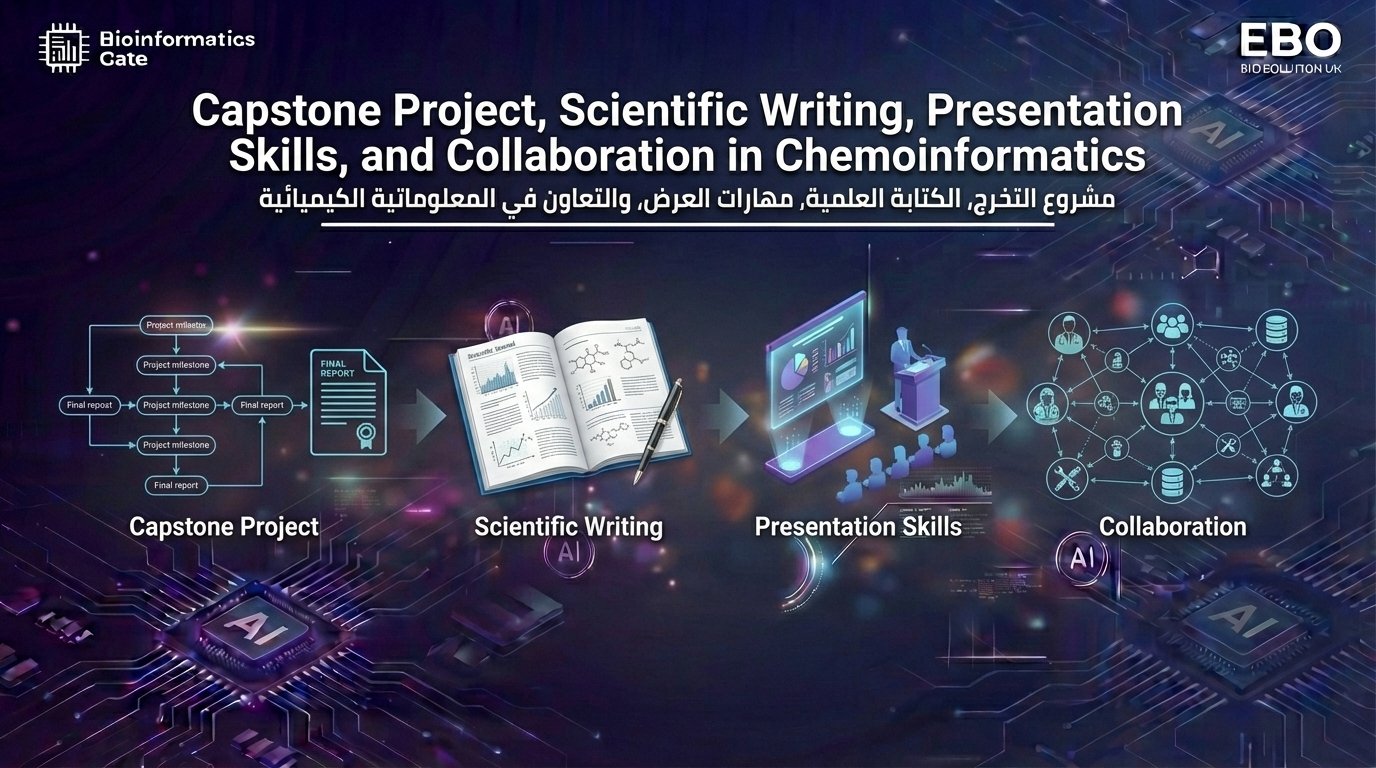
• Research Documentation & Analysis Reporting
• Building Organized Lists of Analysis
• Scientific Workflow Structuring
• Scientific Problem Solving
Students also receive professional career-focused training to help transform technical scientific skills into practical opportunities.
This includes:
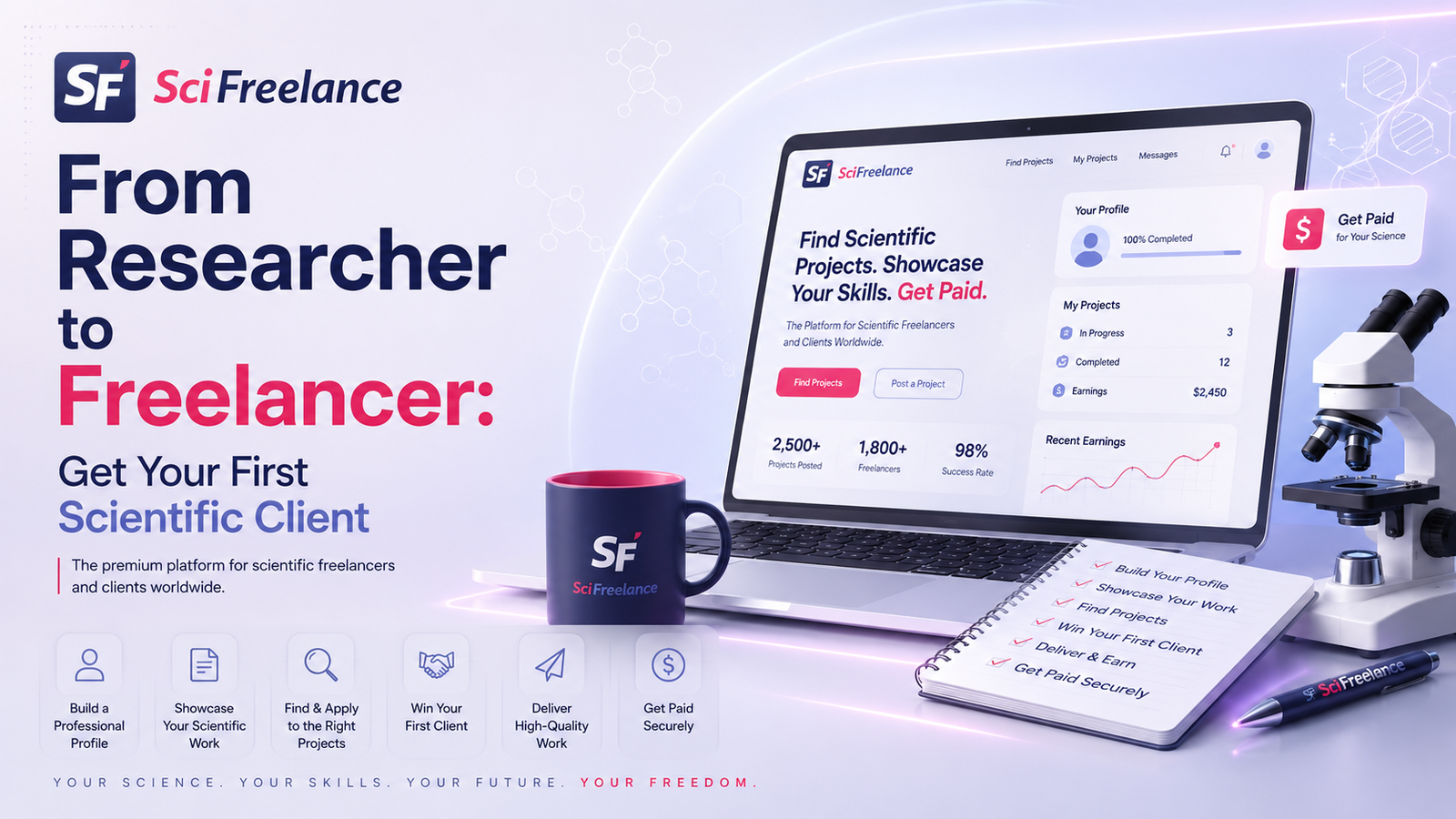
• Building a professional profile on Science Freelance
• Understanding scientific freelancing systems
• Learning how to communicate with scientific clients
• Sales and negotiation fundamentals
• Writing scientific service descriptions
• Understanding how to position and market scientific services professionally
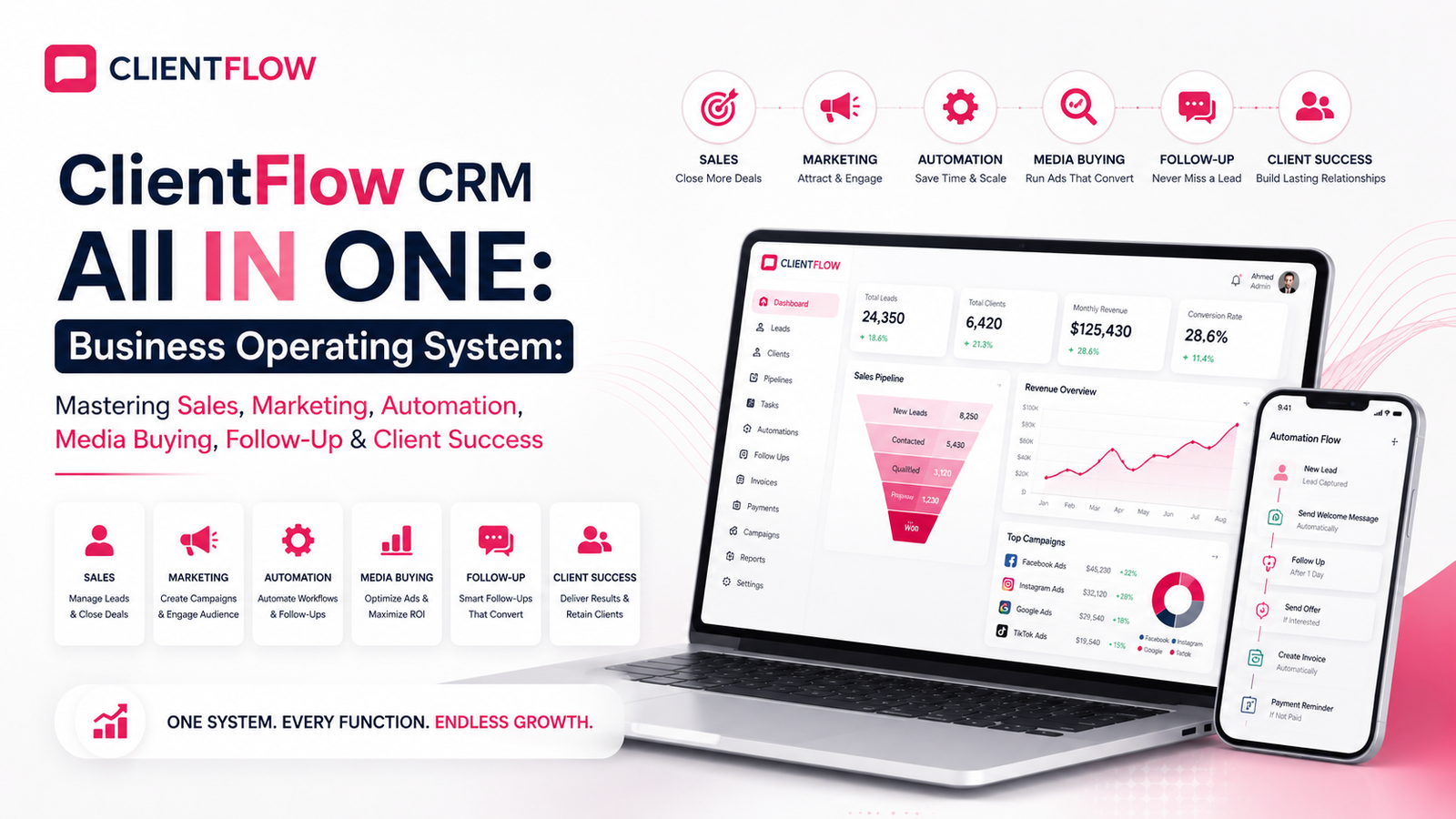
In addition, students are trained on ClientFlow CRM to understand how modern client management systems operate within professional service environments. This allows participants to gain practical exposure to workflow organization, follow-up systems, and structured client communication methodologies.
The training is fully online and designed to be accessible for students without requiring advanced hardware specifications. Participants do not rely on personal computer performance, as practical computational tasks are supported through cloud-based systems and advanced computational environments rather than depending entirely on local devices.
By the end of the program, students will graduate with:
• A British & Egyptian Verified Certificate that satisfies university summer training requirements
• A Scientific Poster suitable for academic presentation and portfolio development
• A documented List of Analysis that demonstrates technical scientific competencies
• A professional Science Freelance Portfolio showcasing completed work and analytical capabilities
• Six months free access to ClientFlow CRM (Freelancer Package)
• AI support and guidance throughout the training journey
One of the unique advantages of the program is that students are not only trained academically but are also prepared for real professional opportunities after training. Through the optional Market Me feature, students may subscribe to an additional opportunity where Bioinformatics Gate promotes the same scientific services learned during the program and distributes qualified client opportunities to trained participants.
The Computational Drug Design & Analysis Services Program is designed for students who want more than a certificate — students who want to graduate with scientific skills, practical experience, portfolio-ready outcomes, and a stronger pathway toward freelancing, research, and future employment opportunities.