Applied Bioinformatics & Research Execution Program
About Bundle
Applied Bioinformatics & Research Execution Program
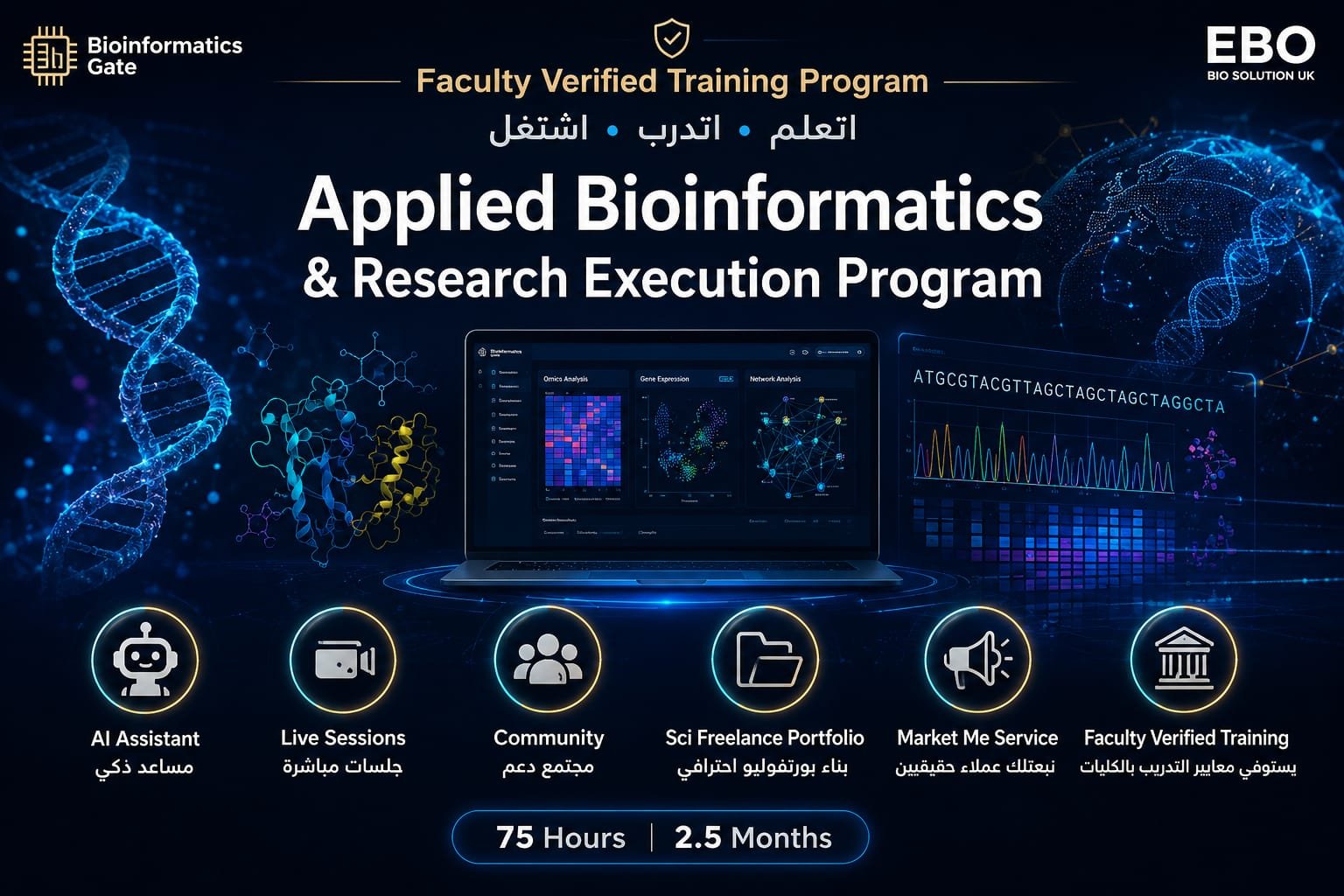
The Applied Bioinformatics & Research Execution Program is a comprehensive verified faculty training program designed to provide students and early-career researchers with practical exposure to Bioinformatics and Computational Biology while simultaneously helping them satisfy university summer training requirements and develop career-oriented scientific skills.
Unlike traditional summer training experiences that focus only on obtaining a certificate, this program is designed to help participants build practical scientific experience, understand real bioinformatics workflows, and develop organized research outputs that can strengthen both academic performance and future career opportunities.
The program is structured to help students move beyond theoretical learning and experience how modern bioinformatics research is conducted, organized, analyzed, and documented in professional scientific environments. Participants learn how biological data is interpreted, how computational workflows are organized, and how scientific projects are transformed into structured research outcomes.
Throughout the training, students receive practical and guided exposure to:
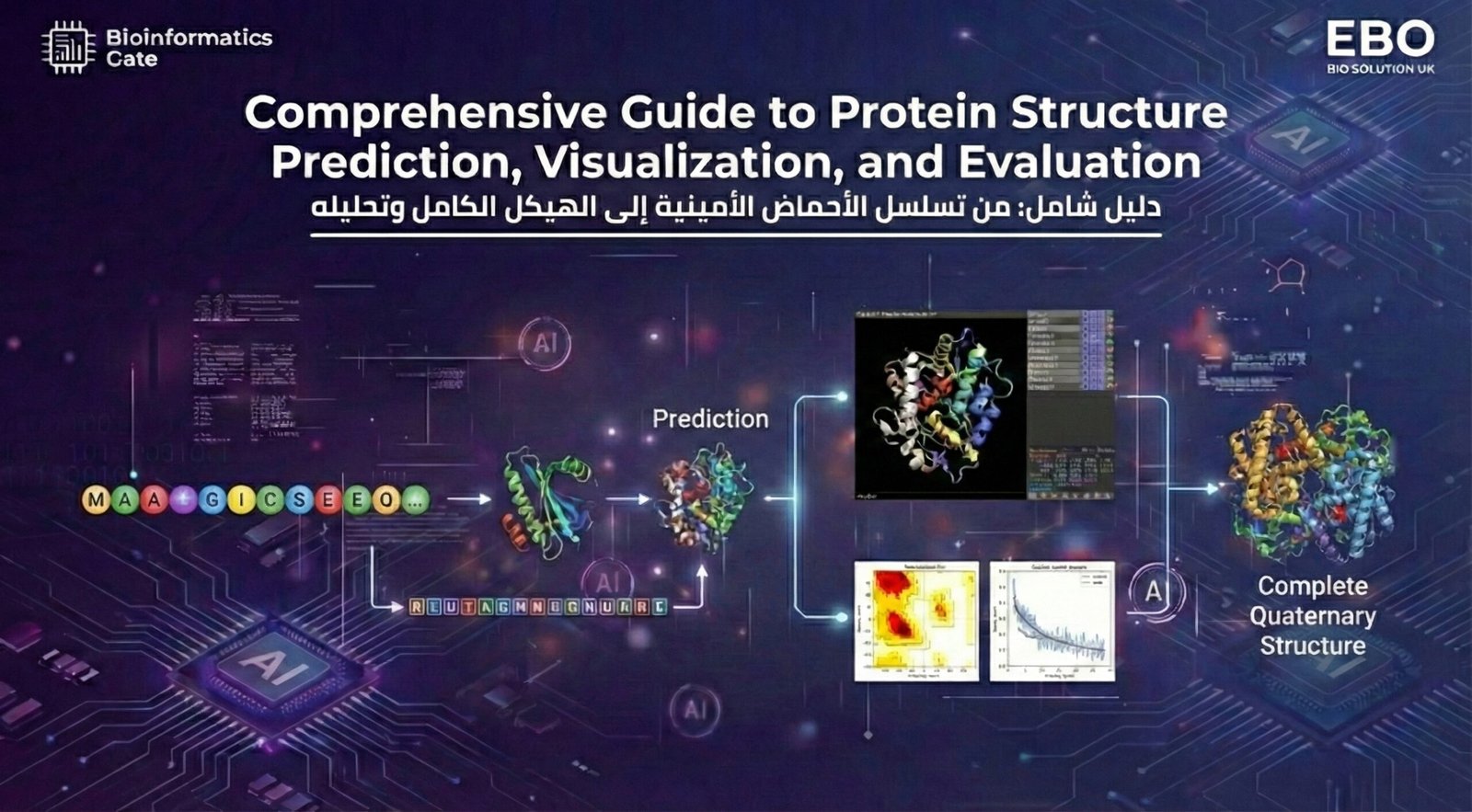
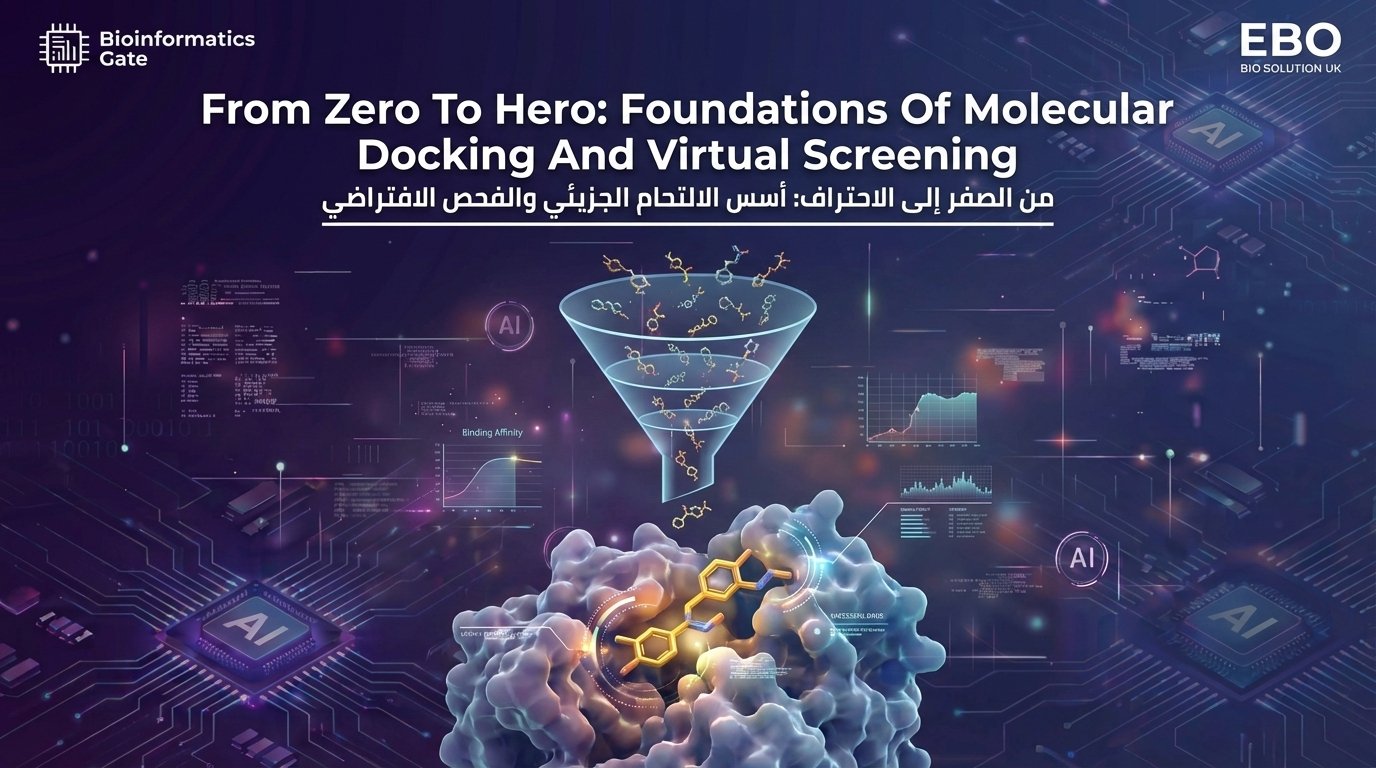
• Protein Structure Prediction, Visualization & Analysis
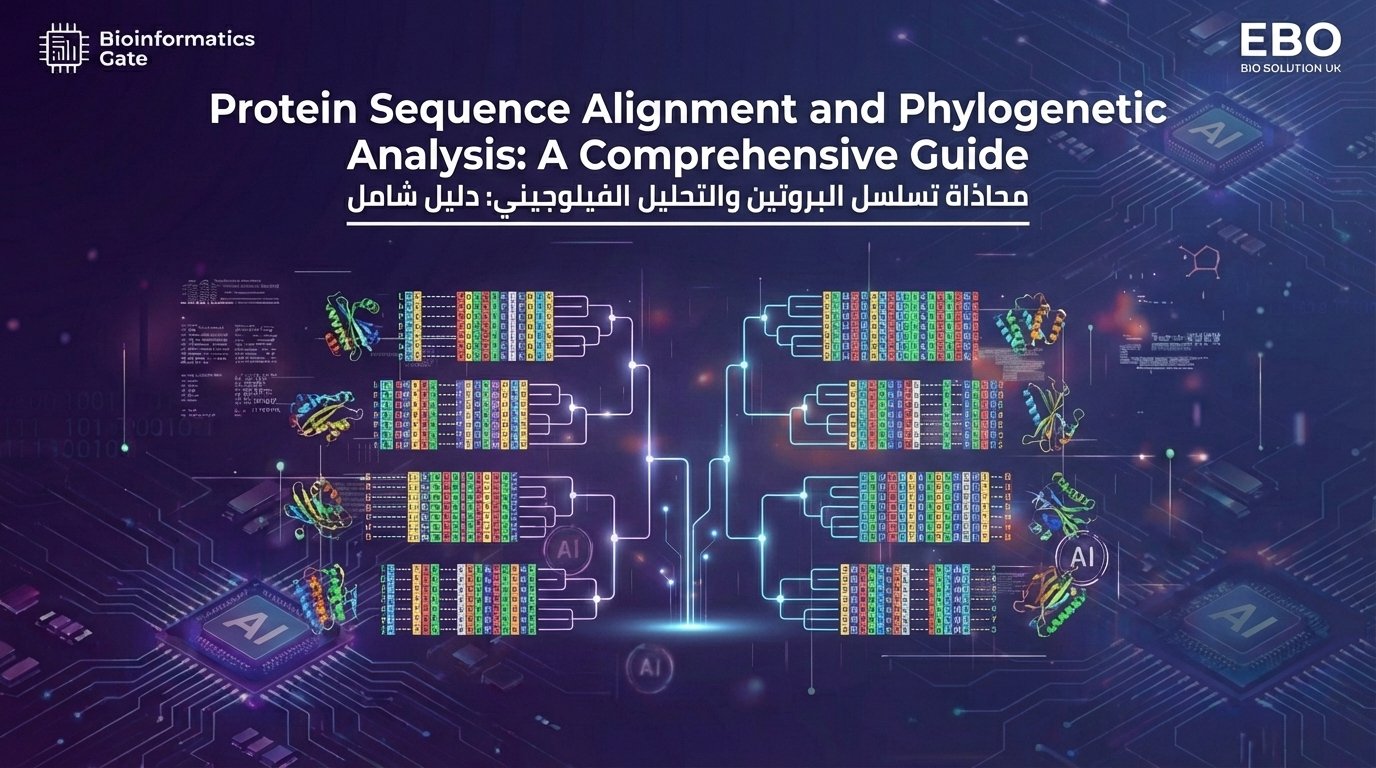
• Protein Sequence Alignment
• Phylogenetic Analysis
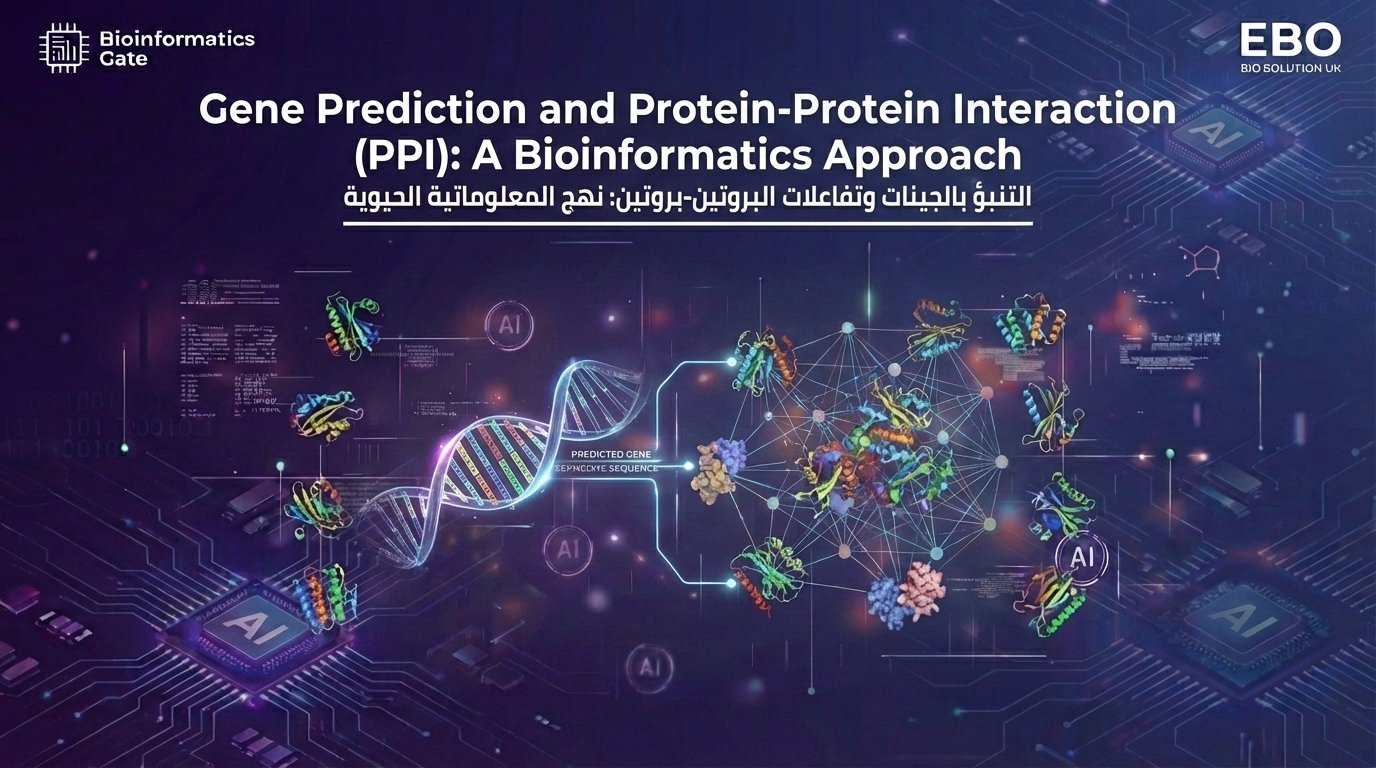
• Gene Prediction Methods
• Protein–Protein Interaction (PPI) Analysis
• Bioinformatics Workflow Organization
• Biological Data Interpretation
• Scientific Problem Solving
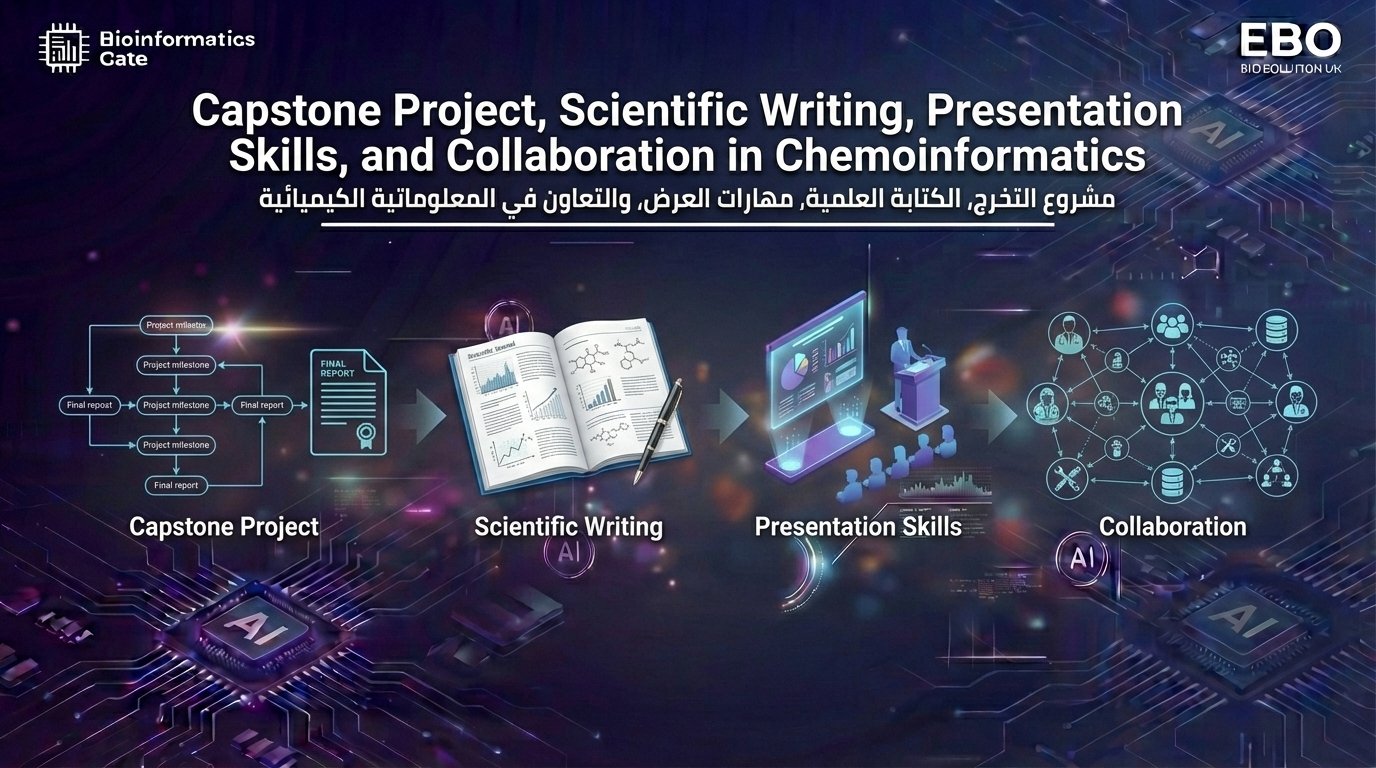
• Research Documentation & Scientific Reporting
• Scientific Writing & Poster Preparation
The program emphasizes practical scientific execution rather than theoretical memorization. Students work within structured scientific workflows that gradually help them understand how research projects are planned, organized, analyzed, and presented in real scientific and academic settings.
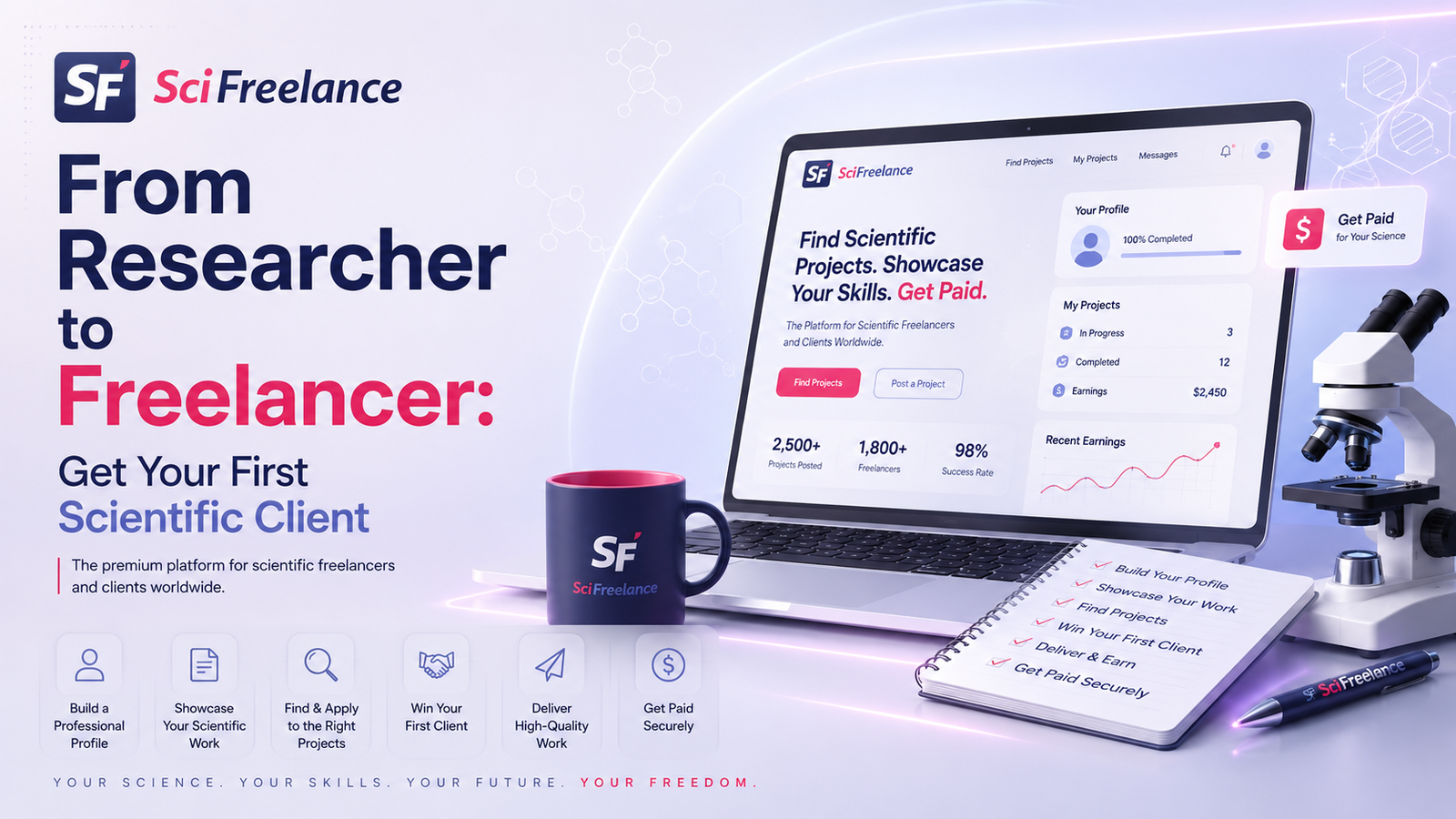
In addition to technical scientific training, participants receive professional development support to help them prepare for future research opportunities and scientific freelancing pathways.
This includes:
• Building a professional profile on Science Freelance
• Understanding scientific freelancing systems
• Learning how to communicate with scientific clients
• Sales and negotiation fundamentals
• Writing scientific service descriptions
• Building a professional scientific portfolio
Students also receive practical training on ClientFlow CRM to understand how professional scientific service workflows and client management systems operate in modern working environments. This helps participants gain practical experience in organization, follow-up systems, workflow management, and professional communication.
The program is delivered fully online and does not require high-end laptop specifications. Participants are supported through cloud-based computational environments and structured digital systems, allowing students to focus on learning and execution without depending heavily on personal device performance.
By the end of the program, students will graduate with:
• A British & Egyptian Verified Certificate that satisfies university summer training requirements
• A Scientific Poster suitable for academic presentation and scientific portfolio development
• A documented List of Analysis demonstrating practical bioinformatics competencies
• A professional Science Freelance Portfolio showcasing research workflows and scientific outputs
• Six months free access to ClientFlow CRM (Freelancer Package)
• AI support and guidance throughout the training period
In addition, students may access the optional Market Me feature, where Bioinformatics Gate supports trained participants by promoting relevant scientific services and distributing qualified opportunities to selected students after successful completion of training.
The Applied Bioinformatics & Research Execution Program is designed for students who want more than a university certificate — students who want to gain practical scientific experience, develop real analytical skills, build a professional portfolio, and prepare themselves for research, freelancing, and future scientific career opportunities.